Type 2 diabetes develops when the body becomes resistant to insulin, or does not produce enough of it, causing blood sugar to rise above a healthy range. It is the most common form of diabetes, and while genetics play a role, everyday factors like activity level, weight, and diet also influence risk.
Common Symptoms
- Increased thirst and hunger
- Frequent urination, especially at night
- Fatigue
- Numbness or tingling in the hands or feet
- Sores or cuts that heal slowly
Symptoms often build gradually over months or years, which is why routine screening and lab work matter even before symptoms appear.
How We Approach Management
For most patients, Type 2 diabetes is managed through a combination of lifestyle changes and, when needed, oral medication or insulin. Our care includes:
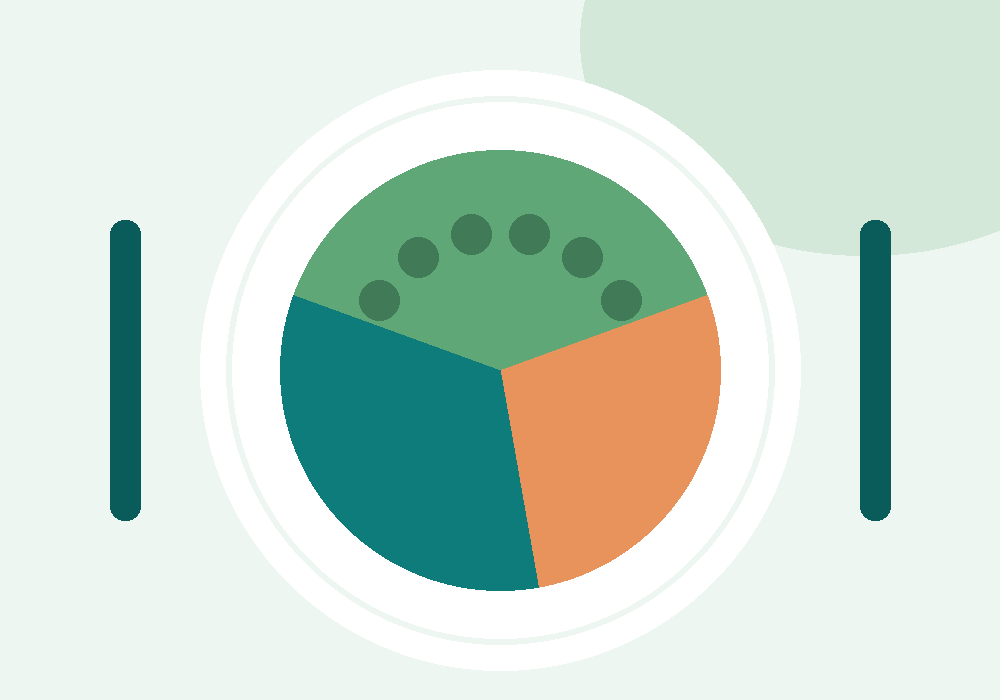
- Nutrition counseling — practical guidance on carbohydrates, portions, and meal timing
- Activity planning — realistic movement goals that fit your schedule and ability
- Medication management — reviewing and adjusting oral medications or insulin as your numbers change
- Home monitoring guidance — how and when to check your blood glucose at home
- Routine labs and blood pressure checks — tracking A1C, cholesterol, and blood pressure at regular intervals
- Foot checks — simple, routine exams to catch early changes in circulation or sensation
Many people with Type 2 diabetes go on to live long, active, symptom-free lives. The key is consistency — small, steady habits supported by a care team that is paying attention.